
Introduction: Ubud as Bali’s Creative Heart
Nestled in the lush hills of central Bali, Ubud has long been regarded as the island’s cultural and artistic epicenter. Unlike the bustling coastal towns known for their beach parties and surf scenes, Ubud exudes a tranquil, introspective energy that beckons artists, writers, designers, musicians, and creative thinkers from around the world. With its verdant rice terraces, sacred temples, and thriving arts community, Ubud has evolved into a dynamic ecosystem where creativity flourishes and innovative ideas are nurtured.
The town itself is a harmonious blend of ancient Balinese traditions and modern artistic expression. It’s no wonder that Ubud is home to numerous galleries, workshops, boutique hotels, and collaborative spaces that serve as incubators for creativity. Whether you are exploring local artisan markets or attending a world-class art festival, Ubud offers a unique environment where every visitor is inspired to create, connect, and discover.
The Artistic Heritage of Ubud
Artistry runs deep in Ubud’s veins. For centuries, the region has been known for its skilled painters, woodcarvers, and craftsmen, whose works are celebrated both locally and internationally. Traditional Balinese art is characterized by intricate details, symbolism, and a spiritual connection to nature and mythology. As you wander through Ubud’s streets, you’ll encounter vibrant murals, statues, and public installations that pay homage to this rich heritage.
Ubud’s art scene is not limited to tradition alone. Contemporary artists have found fertile ground here to experiment and push boundaries. Galleries such as the Agung Rai Museum of Art (ARMA), Neka Art Museum, and Blanco Renaissance Museum showcase a diverse array of works, from classical Balinese paintings to avant-garde mixed media installations. Local art studios and open-air workshops invite visitors to participate in the creative process, whether it’s learning batik, traditional mask-making, or modern sculpture.
Culinary Creativity: Gastronomy as Art
Ubud’s creativity extends far beyond its visual arts. The town’s culinary scene is equally inventive, blending local flavors with global influences to create unforgettable dining experiences. Farm-to-table restaurants, organic cafes, and vegan eateries abound, each with its own distinct personality and artistic flair. Chefs in Ubud are known for their passion for sustainable sourcing and their ability to transform traditional Balinese recipes into contemporary masterpieces.
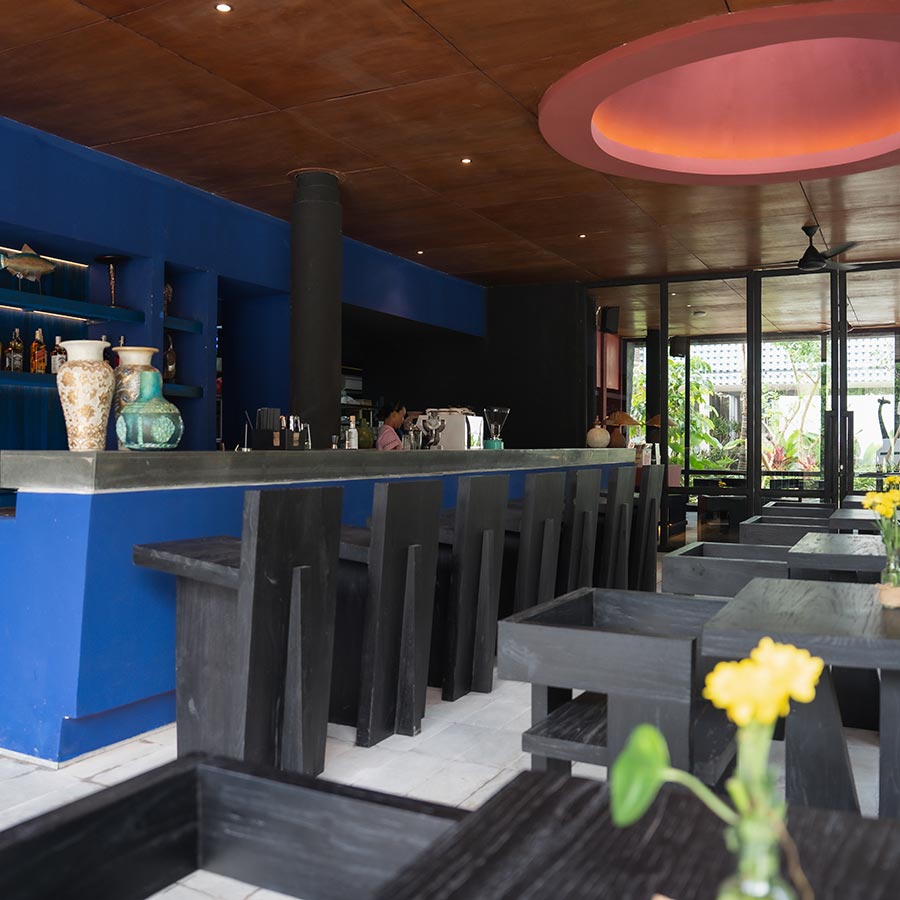
Many of these dining establishments are housed in architecturally stunning venues, where interior design plays a key role in crafting a memorable atmosphere. From hand-carved wooden tables to statement lighting and lush greenery, the synergy between food and setting is palpable. For those seeking a truly immersive experience, several creative hotels in Ubud offer curated culinary events, cooking classes, and tasting sessions that celebrate the artistry of food.
Innovative Design and Boutique Accommodation
The creative spirit of Ubud is perhaps most evident in its boutique accommodation offerings. Travelers seeking more than just a place to rest their heads will find an array of hotels and villas that double as living art spaces. Architectural innovation, sustainable materials, and thoughtfully curated interiors are the hallmarks of Ubud’s boutique hotel scene. Each property offers a unique interpretation of Balinese culture, blending traditional motifs with modern design.
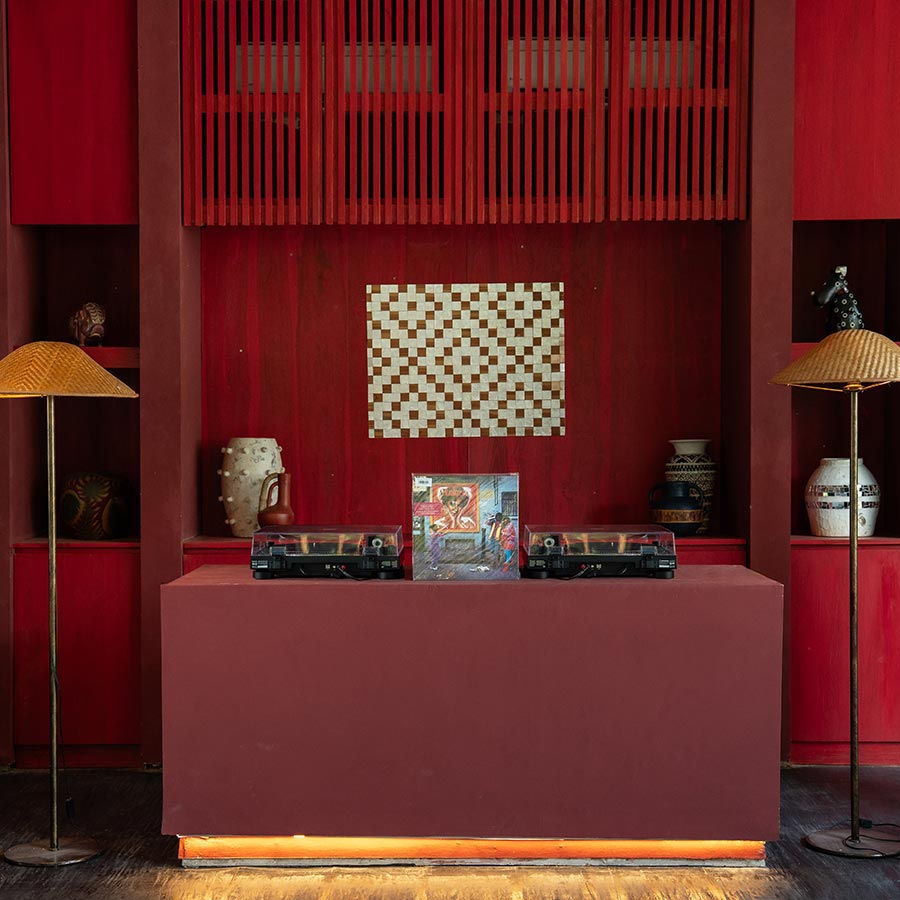
Among the many exceptional options, the Boutique Creative Hotel Ubud stands out for its commitment to fostering artistic expression and community engagement. This unique property seamlessly integrates art, design, and hospitality, offering guests inspiring spaces to relax, create, and connect. From artist-in-residence programs to collaborative workshops, every aspect of the hotel is designed to nurture creativity and provide a distinctive sense of place.
Many of Ubud’s boutique hotels prioritize sustainability and environmental stewardship, incorporating eco-friendly materials, energy-efficient systems, and locally sourced decor. Rooftop gardens, open-air lounges, and tranquil courtyards provide guests with spaces to recharge and reflect, surrounded by nature’s beauty. The emphasis on wellness and mindfulness is woven into the fabric of these accommodations, making them ideal retreats for artists, writers, and anyone seeking inspiration.
Ubud’s Creative Community and Collaborative Spaces
At the heart of Ubud’s creative ecosystem is its vibrant community. Local and international artists, designers, entrepreneurs, and digital nomads converge in shared studios, co-working hubs, and maker spaces throughout the town. These collaborative environments foster a spirit of innovation, where ideas are exchanged, partnerships are forged, and new projects come to life.
Ubud is also home to a dynamic calendar of events that celebrate creativity in all its forms. Art fairs, open studios, literary festivals, and music performances bring together creators and enthusiasts alike. The annual Ubud Writers & Readers Festival, for example, is a world-renowned gathering that attracts storytellers, poets, and thinkers from every corner of the globe. Such events provide invaluable opportunities for learning, networking, and cross-cultural exchange.
Many creative spaces in Ubud operate on principles of inclusivity and sustainability. They often host workshops, exhibitions, and talks that are open to the public, encouraging participation and skill-sharing. Whether you’re interested in traditional crafts or cutting-edge digital art, you’ll find a welcoming community eager to share their knowledge and inspire your own creative journey.
Embracing Nature: Inspiration from Ubud’s Landscape
Ubud’s lush natural surroundings play a pivotal role in shaping its creative identity. The rolling rice paddies, dense jungles, and sacred rivers offer not only breathtaking views but also a deep wellspring of inspiration for artists and designers. Many creative retreats and workshops are held outdoors, allowing participants to draw directly from the landscape’s beauty and tranquility.
The practice of mindfulness and connection to nature is an integral part of daily life in Ubud. Yoga studios, meditation centers, and holistic wellness retreats abound, providing spaces for reflection and introspection. This emphasis on balance and harmony mirrors the Balinese philosophy of Tri Hita Karana—the three causes of well-being: harmony with God, with nature, and among people. Such values permeate the creative process, encouraging a holistic approach to art, design, and living.
For travelers, simply wandering through Ubud’s scenic trails or visiting its iconic rice terraces can spark fresh perspectives and new ideas. The interplay between human creativity and the natural world is evident everywhere, from eco-conscious architecture to site-specific art installations nestled within the jungle.
Experiencing Ubud: Art, Culture, and Lifestyle
Immersing yourself in Ubud’s creative ecosystem is an experience unlike any other. Begin your day with a visit to one of the town’s bustling art markets, where you can browse handwoven textiles, intricate silver jewelry, and hand-carved masks crafted by local artisans. Stop by a gallery or open studio to witness artists at work or try your hand at a traditional craft workshop.
In the afternoon, indulge in Ubud’s rich culinary scene, sampling innovative dishes at a local eatery or enjoying a leisurely coffee in a design-forward café. Many establishments regularly host live music, poetry readings, or pop-up exhibitions, ensuring that there’s always something new to discover.
Evenings in Ubud are equally enchanting, with cultural performances, film screenings, and storytelling sessions that bring the community together. The town’s creative hotels often serve as venues for these events, blurring the lines between accommodation, gallery, and gathering space. Whether you’re a seasoned artist or an enthusiastic observer, Ubud invites you to be part of its ever-evolving creative story.
Why Ubud Attracts Creative Travelers
What makes Ubud such a magnet for creative minds? Beyond its natural beauty and rich cultural heritage, it’s the town’s welcoming atmosphere and spirit of openness that set it apart. Here, collaboration is valued over competition, and experimentation is encouraged. The slow pace of life allows for deeper exploration, both inward and outward, fostering a sense of freedom and possibility.
Digital nomads and remote workers are increasingly drawn to Ubud’s creative scene, taking advantage of the town’s excellent infrastructure, high-speed internet, and abundance of co-working spaces. The opportunity to live and work within an inspiring, culturally rich environment is a major draw for those seeking a balance between productivity and personal growth.
For many, the chance to stay at a Creative Hotel in Ubud is a highlight of their journey. These unique accommodations offer more than just comfort and convenience—they provide immersive experiences that connect guests to the local art scene, community, and environment. Whether you’re attending a workshop, joining a cultural tour, or simply relaxing in a thoughtfully designed space, you’ll find that creativity is woven into every aspect of Ubud life.
Conclusion: The Ever-Evolving Creative Ecosystem
Ubud’s creative ecosystem is a living testament to the power of art, culture, and community. It’s a place where tradition and innovation coexist, where the natural world inspires new ways of thinking, and where every visitor is invited to participate in the ongoing story of creation. From its world-class galleries and boutique hotels to its vibrant markets and collaborative spaces, Ubud offers an abundance of opportunities to explore, discover, and grow.
Whether you are an artist in search of inspiration, a traveler eager to immerse yourself in local culture, or simply someone seeking a respite from the ordinary, Ubud welcomes you with open arms. Its creative energy is contagious, its beauty unparalleled, and its community endlessly supportive. In Ubud, creativity is not just an activity—it’s a way of life.