
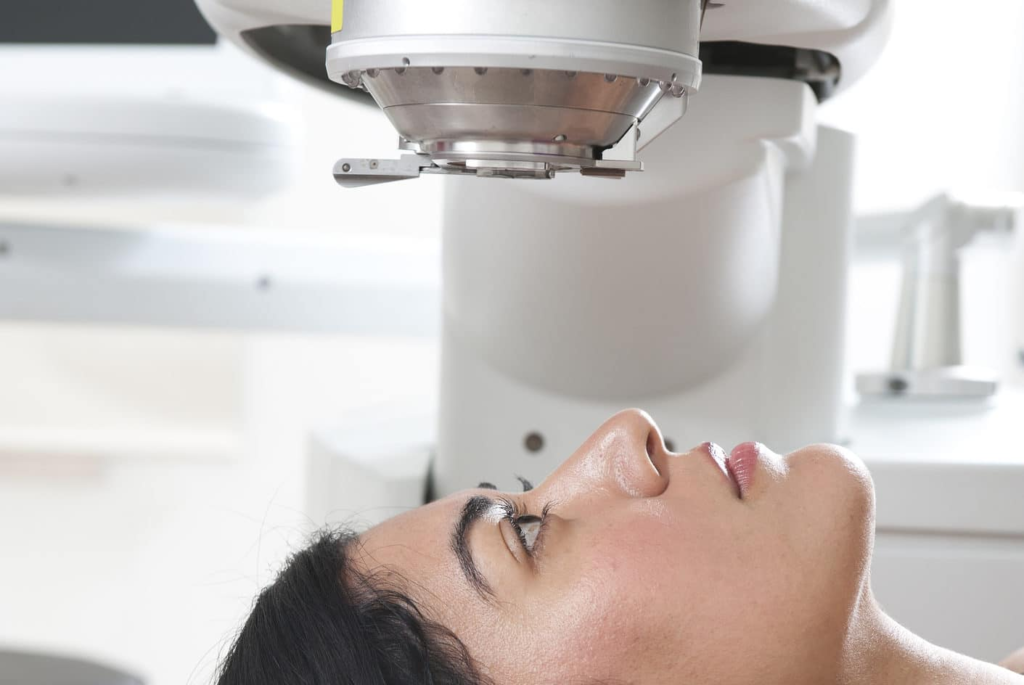
Vision care technology has advanced rapidly over the past two decades, shifting from standard, one-size-fits-all procedures to highly individualized treatments. For residents across the state, the ability to address refractive errors or age-related clouding of the lens has never been more precise. As patients weigh their options for visual correction, understanding the distinction between elective refractive procedures and medically necessary lens replacement is the first step toward reclaiming clear sight.
Precision Correction: The Evolution of custom LASIK surgery
Refractive surgery has moved well beyond the early generations of laser correction. Today, the focus is on “custom” or wavefront-guided treatments. During a comprehensive evaluation, an ophthalmologist uses advanced diagnostic tools to create a detailed map of the eye’s unique topography. This map captures even the most subtle irregularities—known as higher-order aberrations—that can impact night vision, contrast sensitivity, and overall clarity.
By incorporating this detailed data into the laser’s programming, surgeons can tailor the ablation pattern to the specific shape of the patient’s cornea. This level of customization is what defines custom LASIK surgery. Unlike traditional procedures that treat the eye based on basic prescription numbers, these personalized approaches aim to provide visual outcomes that often exceed 20/20. For those living in Michigan, where varying light conditions and the demands of modern screen-based work are common, this precision is vital for reducing glare and improving visual comfort.
Who Is a Candidate for Refractive Procedures?
Not every patient is a candidate for laser vision correction. A successful outcome depends on corneal thickness, pupil size, and the absence of pre-existing ocular surface conditions such as chronic dry eye. A thorough screening process is essential to determine if a patient’s eyes are structurally sound enough for the procedure. In the consultation phase, the clinical team looks for markers of corneal health and stable refractive measurements. If a patient does not meet these criteria, they may be better served by alternative procedures like PRK or implantable collamer lenses, ensuring that the primary goal—patient safety—is always met.
Restoring Clarity: laser cataract removal in Michigan
While LASIK addresses the shape of the cornea to correct nearsightedness, farsightedness, or astigmatism, cataracts represent a different physiological challenge. Cataracts are a natural result of the aging process, occurring when the eye’s internal lens loses its transparency, leading to blurred vision, muted colors, and increased sensitivity to light.
The modern approach to this condition involves the complete replacement of the clouded lens with a synthetic intraocular lens (IOL). The adoption of laser cataract removal in Michigan has refined this process, allowing for greater accuracy in the incisions and the fragmentation of the cataract itself. By utilizing specialized femtosecond laser technology, surgeons can automate critical steps of the procedure, ensuring that the capsular opening is perfectly sized and centered. This is particularly important when patients choose premium lens implants designed to correct presbyopia or astigmatism, as the alignment of these lenses is crucial for optimal results.
The Integration of Advanced Lens Technology
The transition from a cloudy natural lens to a clear artificial one offers an opportunity to reduce, or sometimes eliminate, the need for glasses. Today’s IOL technology is highly sophisticated. Multifocal lenses can provide a range of vision, helping patients see clearly at both near and distance, while toric lenses are engineered to neutralize astigmatism. Choosing the right lens requires a collaborative discussion between the patient and the vision specialist, taking into account the patient’s lifestyle, occupation, and daily visual demands.
Preparing for Your Vision Consultation
Whether a patient is inquiring about custom LASIK surgery or exploring laser cataract removal in Michigan, the quality of the diagnostic workup determines the surgical plan. A comprehensive exam should include more than just a standard eye chart test. It should involve:
- Corneal Mapping: Using high-resolution imaging to measure the curvature and thickness of the cornea.
- Retinal Evaluation: Ensuring the back of the eye is healthy, which is vital for patients over 50.
- Tear Film Analysis: Assessing the surface of the eye to ensure post-operative healing will proceed smoothly.
- Visual Needs Assessment: A discussion about how the patient spends their day—whether driving long distances in rural Michigan, working on computers, or engaging in outdoor sports—to help select the right corrective approach.
Patients should approach these consultations with questions about the surgeon’s experience, the specific technology used in the operating room, and the expected recovery timeline. A high-quality practice will prioritize a transparent discussion of risks and benefits, ensuring the patient has realistic expectations.
Why Geography and Continuity of Care Matter
Vision health is a lifelong journey. While the surgical event takes only a short time, the pre-operative planning and post-operative monitoring are long-term engagements. Choosing a provider within your home region allows for consistent follow-up, which is essential during the weeks following any ophthalmic procedure.
Michigan residents have access to some of the most advanced medical centers in the country. By seeking care from specialists who focus on the nexus of laser refractive technology and modern lens replacement, patients can benefit from a cohesive clinical approach. When a practitioner understands the patient’s visual history and long-term health markers, they can provide safer, more effective outcomes than a transient or retail-focused model might offer.
Managing Expectations for Long-Term Visual Health
It is important for patients to realize that while modern procedures are highly successful, they do not pause the natural aging of the eye. Those who undergo custom LASIK surgery in their thirties may still eventually develop cataracts later in life, and those who undergo laser cataract removal in Michigan will still require routine monitoring for conditions like glaucoma or macular degeneration.
Ultimately, the goal of modern vision care is to minimize dependence on corrective eyewear and improve the quality of life through surgical excellence. By combining state-of-the-art diagnostic imaging, femtosecond laser precision, and personalized lens selection, modern ophthalmology has transformed how we perceive the world around us. For those ready to move past the limitations of traditional glasses and contacts, professional intervention offers a clear, high-definition future. Start by scheduling a consultation to review your ocular health, identify your specific refractive needs, and determine the safest path to better vision.